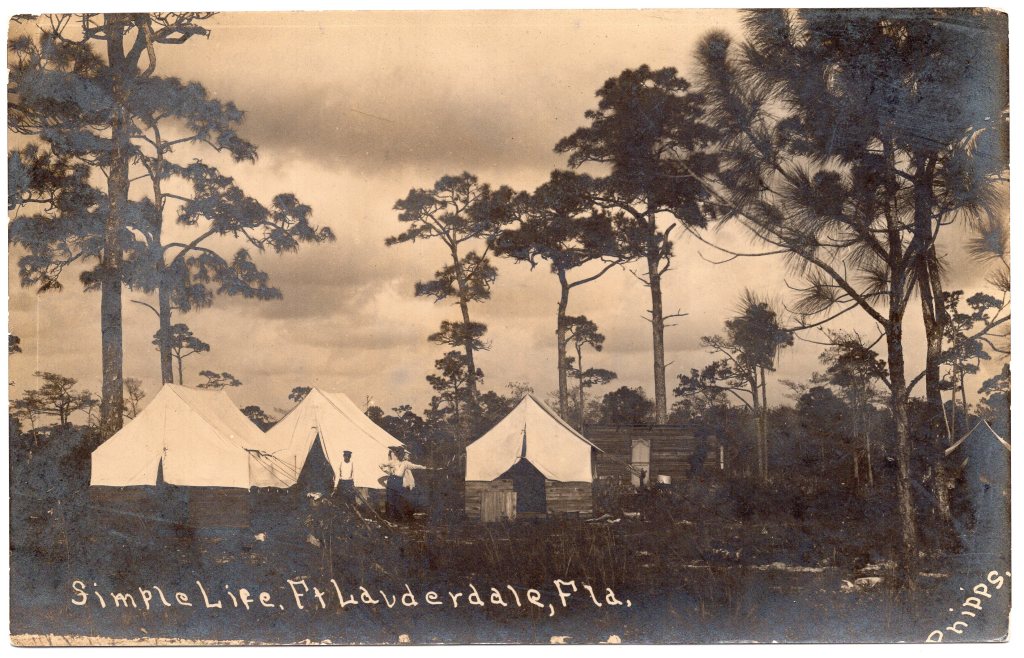
Once upon a time, before mega yachts and multimillion-dollar homes, before it would be known as The Venice of America or film Where The Boys would ultimately be, Fort Lauderdale, a small village on the New River, would raise more tents than houses. The Simple Life postcard, c. 1911, shows just that. It’s an example of a Real Photo Postcard (RPPC) issued during the Golden Age of Postcards.1 Postcard collecting was a craze sweeping the world. Hundreds of millions of postcards crossed through the mail, and an untold number were collected and never posted. Another craze at the time was land speculation, and this is where the story of the Simple Life postcard and Fort Lauderdale’s history come together.
Beginning in 1849, the US Congress passed a series of Swamp Land Acts, which granted Federal swamp lands back to individual States for reclamation to encourage settlement and private development. Florida was one of fourteen states benefiting from these Acts, and its prize was The Everglades.
***
Most often, titles on RPPCs are merely of the who, what, and where variety rather than something poetic or philosophical. Living in a tent might be simplistic, but doing so in the wilds of Florida at the turn of the twentieth century, on the edge of The Everglades, seems anything but a Simple Life. Its photographer was Guy Edward Phipps. He was responsible for some of the earliest images of this fledgling community to be shared worldwide as postcards. His career here was varied but short-lived, from about 1910 to 1918. Guy established the first postcard store in Fort Lauderdale, The Post Card Shop. It was in a tent.
***
Guy E. Phipps was born December 4, 1879, in Elyria, Ohio, a small industrial town just west of Cleveland, near Lake Erie. At home are his only brother, Erastus, two half-sisters, Harriet and Luella, his mother, Celia, and his Civil War veteran father, Abel, a blacksmith.2 By the time of the 1900 census, his father had passed away, and Guy—now a 20-year-old student—was at home with his mother, an elderly aunt, and a boarder.
In the summer of 1903, Guy worked aboard the steam freighter Robert E. Bunson, plying the waters of The Great Lakes, then later that year moved to Franklin, Pennsylvania, a booming industrial town in an area known as Oil City. Guy became a laborer for the Colburn Machine Tool Company, where his brother Erastus was a foreman.
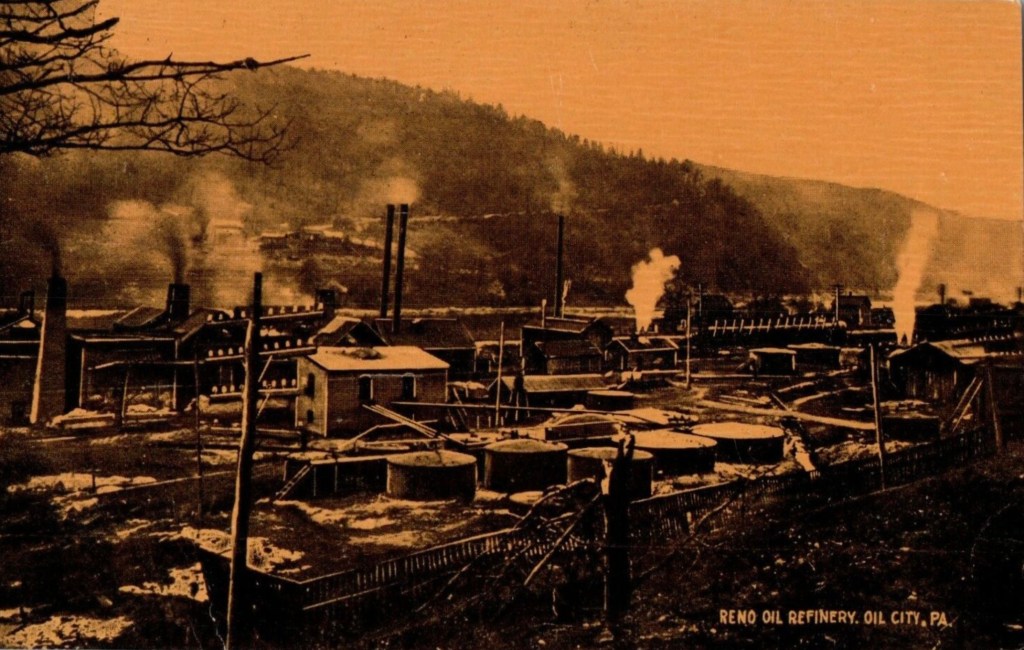
In September 1909, Guy married local Franklin girl Elizabeth “Bessie” Adams. In February of the following year, he sold part of his inherited Elyria property for $2,750. When the 1910 Census was conducted in April, Guy was no longer a machine shop employee but had become a self-employed photographer, a profession he would pursue for the rest of his life.
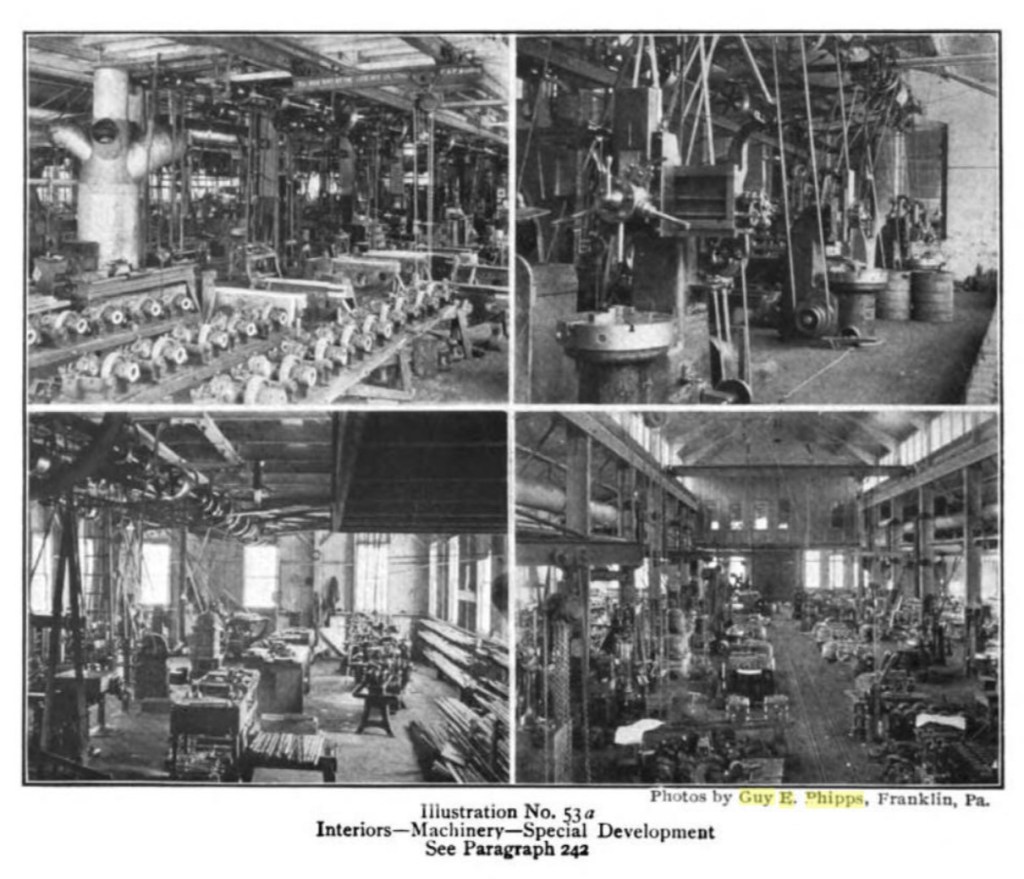
How he transitioned to professional photography isn’t known, but there is evidence that Guy was associated with a photography correspondence school, The American School of Art and Photography. Founded in 1901 in nearby Scranton, Pennsylvania, it advertised nationally that for $15, you’d receive the beginners’ course, a good camera, and a complete photo-developing outfit. I suspect Guy took their course. Then, in the 1909 edition of the school’s multi-volume Complete Self–instructing Library of Practical Photography, photos of a machine shop were used as examples of a particular photographic technique. The photos are credited to “Guy E. Phipps, Franklin, PA.” It wouldn’t be a stretch to imagine Guy took them at the Colburn Machine Tool Company.
***
William James Dawson’s The Quest of The Simple Life was a popular book in Guy’s time. First published in 1907, the author tells the tale of his move from gritty industrialized Edwardian London to the tranquil countryside, not unlike in spirit to Henry David Thoreau’s 1854 Walden. Dawson says his story is one of pursuing a life lived simply, closer to how Man is intended to live. Dawson was a famous English clergyman, lecturer, and author. He moved to Massachusetts in 1906 and lectured extensively throughout the US for twenty years, including towns near Guy and Bessie Phipps.
If Guy was inspired by The Quest of the Simple Life he may have also been lured to Florida by ads published in nearby newspapers for a big Florida Everglades land sale.
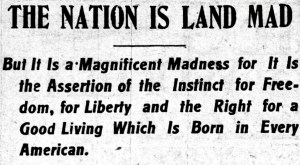
Sunday March 27, 1910
That wordy 1910 newspaper ad headline, one of many similar ones placed throughout the country, solicited buyers to invest in a piece of soon-to-be-drained swamp land in Florida. For a mere $240, at $10 down and $10 a month, you too can purchase a Dickey Bolles’ Florida Fruit Lands Company contract entitling you to 10 acres in the Florida Everglades; but wait, there’s more, based on an upcoming “lottery” your $240 might nab you, not 10 but maybe 20, 40, 80, 160, 320 or even 640 acres! AND at no additional cost, you will receive a 25-foot wide building lot in Progresso, a new development just north of Fort Lauderdale! The ad further proclaims, in all caps, “BEST PROPOSITION EVER PLACED BEFORE THE AMERICAN PEOPLE.” How could anyone say no? The fact that your future farm was likely underwater at the time of the ad was of little concern as the State had a canal building, swamp draining, dream fulfilling plan underway. Soon enough, The Everglades would blossom into the richest farmland, second to none. If you believed the ads, wealth was all but assured. Buy your contract now for the upcoming March 1911 lottery in Florida!
FLORIDA BOUND
On November 10, 1910, Guy E. Phipps entered the Bay View Hotel in Miami and registered as a Fort Lauderdale resident.4 The couple’s lives were on the move. Did Guy—with Elizabeth nine years his junior—now equipped with his new profession, move from the gritty environs of Oil City to the piney wastelands of Fort Lauderdale in pursuit of the Simple Life? Maybe. It’s an interesting parallel to consider.
Arriving in Florida, Guy might have sought out John N. Chamberlain, the anointed “Post Card King” of Miami, looking for photography assignments.5 As standards for assigning credit on postcards—there weren’t any—for publishers, distributors, photographers, and printers varied widely in the day, it wasn’t until “Phipps” started to show up on cards that we could be sure it was his original image.6 The color lithograph postcard below was published by Chamberlain but the original photo may have been taken Guy given his work in the area.
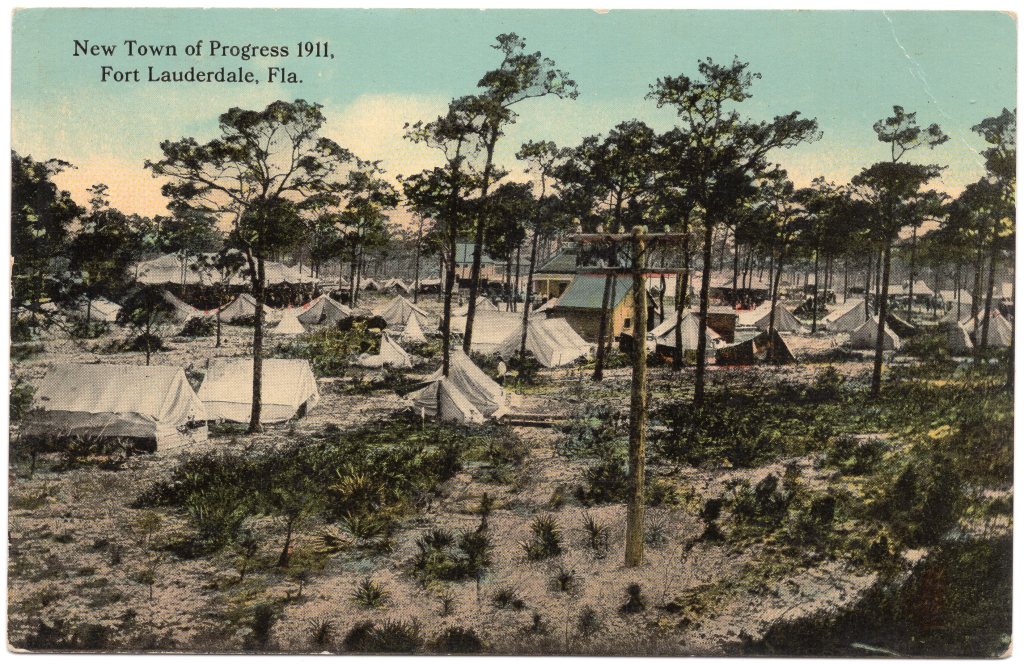
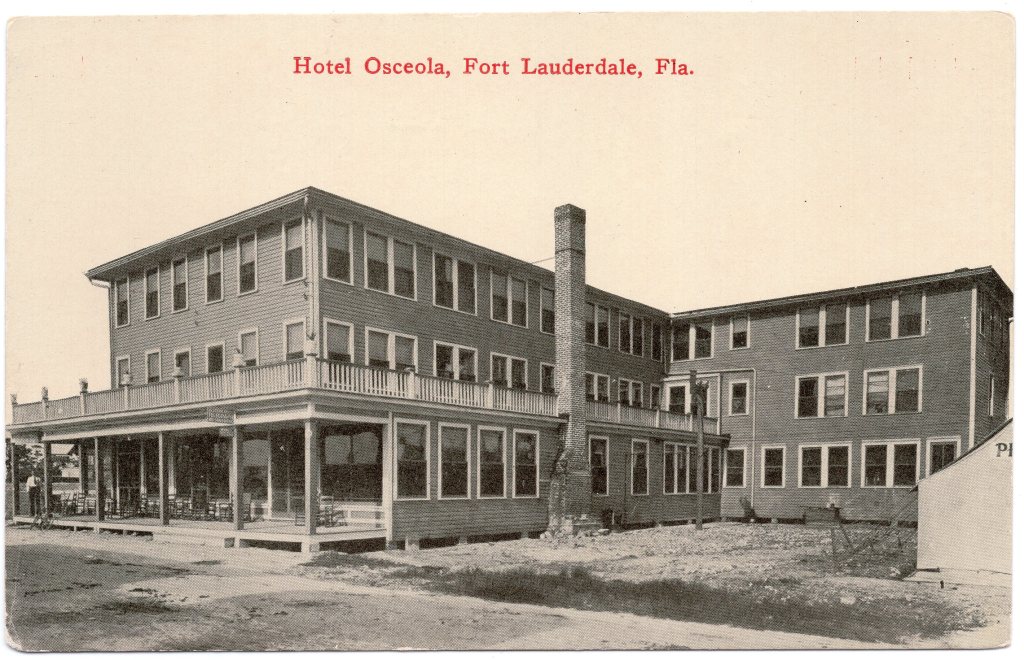
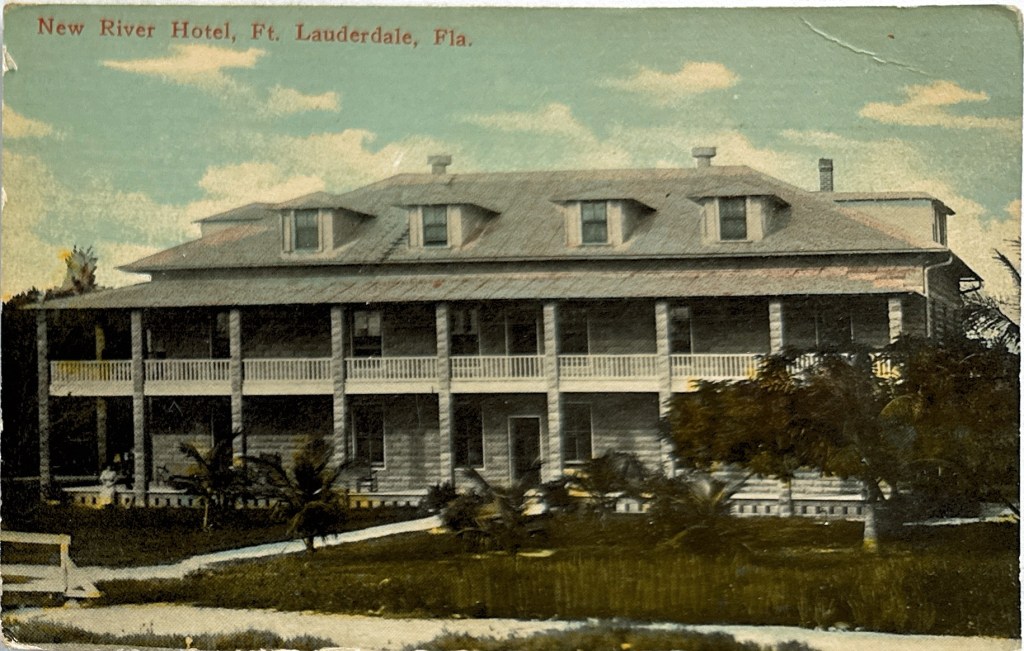
As the lottery neared, thousands descended upon the village. Richard J. Bolles purchased half a million Everglades acres from the state in 1909 and put 180,000 acres up for sale through his Florida Fruit Lands Company. The lottery began on March 15, 1911, and lasted until April 1, during which time the village’s population rose to about 5,000, a dramatic change from just 143 the year before. The three area hotels, New River Hotel, Osceola Inn, and the Keystone had quickly filled, and so did many of the locals’ homes, taking in the hopeful speculators. Tents were pitched throughout the town but mainly in the scrub lands of Progresso, as seen in the postcard above. The new arrivals pitched more than a thousand tents that March. For the next year and a half, you will see more tents than houses in Fort Lauderdale.7
For a Google Map with an overlay of the original Fort Lauderdale town limits, Progresso in 1911 and other historical points of interest click here. Please note, this map is still in development.
Fort Lauderdale was still years away from establishing a tourist trade. Its stock-in-trade now was all agricultural, as it became a major rail depot for shipping winter fruits and vegetables to northern markets. For now, it was tents and tomatoes, and those lucky soon-to-be Everglades farmers would shortly tap into that expanding market. Once the lottery ended and their Everglades property was assigned, the hopeful waited for the swamp to be drained.
***
Guy found work as the Fort Lauderdale-based photographer for the Miami Metropolis newspaper. Bessie became its Fort Lauderdale department editor and wrote a column of common-interest stories about the townsfolks under her “Mrs. Guy E. Phipps” byline. Shortly after March 1912, Guy opened a photography studio and postcard store in the “Gateway to the ‘Glades” when he pitched a tent just north of the Osceola Inn on Brickell Avenue. He was ready for business on the town’s main commercial street.
A little over a year after the lottery, on April 26, 1912, the town turned out en masse to watch Florida Governor Gilchrist hand over a gold-colored shovel to Fort Lauderdale Mayor Marshall to commemorate the completion of a critical component of The Everglades Drainage Project, the opening of the North New River Canal to Lake Okeechobee. Your land in The Everglades was likely still soggy at best, but progress was being made!
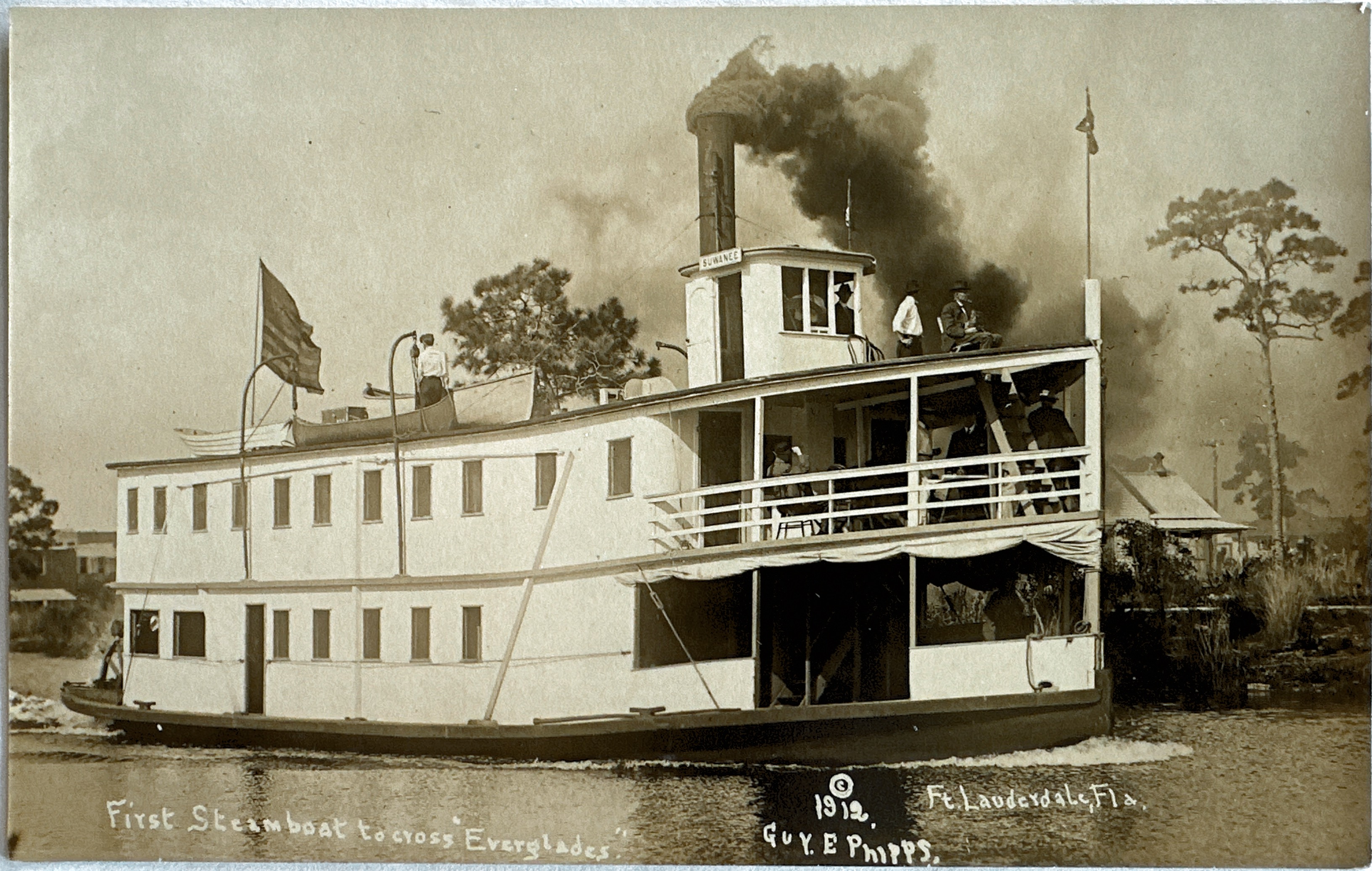
Guy memorialized that event by copyrighting and publishing a RPPC titled, “Gilchrist Gov presenting to Mayor Marshall shovel which opened gateway connecting Gulf to Atlantic Ft Lauderdale Fla 4/26/12.” Further evidence of taming The Everglades was demonstrated when the steamship Suwanne made the first ever cross Florida trip arriving in Fort Lauderdale on December 17, 1912, having started on Florida’s west coast in Fort Myers and crossing Lake Okeechobee.8 Guy documented the historic event with a number of RPPCs.
The North New River Canal celebration was short-lived. On Saturday night, June 1, 1912, a fire quickly spread through the heart of downtown, destroying most of the town’s most prominent businesses. The fire began in the newly built three story Wheeler Building and leapt across Brickell Avenue to destroy the Oliver Building, formerly Stranahan & Company. Guy photographed the fire’s aftermath. His tent survived, as did the Osceola Inn. After the fire, replacement buildings were quickly constructed along Brickell Avenue as was the establishment of the town’s first volunteer fire department.
For those lottery newcomers still in town, the Simple Life of living and working in a tent would ultimately end, as would the dream of a dry Everglades. Not long after dredging began, the drainage canals started silting in, making navigation difficult for steamships and eventually impossible. Mastering the hydrology of The Everglades and holding water levels down for the future farmlands was far more complex than envisioned. For most lottery pioneers, their wetlands acreage remained just that—wet and, more often than not, unfarmable. Passion, motivation, money, and the will to reshape The Everglades began to slow to a trickle.
***
In December 1912, Guy moved his operation into the new Oliver building, within the lobby of the town’s Post Office. With The Post Card Shop relocated his days of running his business out of a tent were over. He advertised his portrait studio materials and tent for sale.
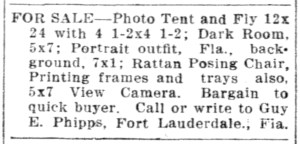
November 12, 1912
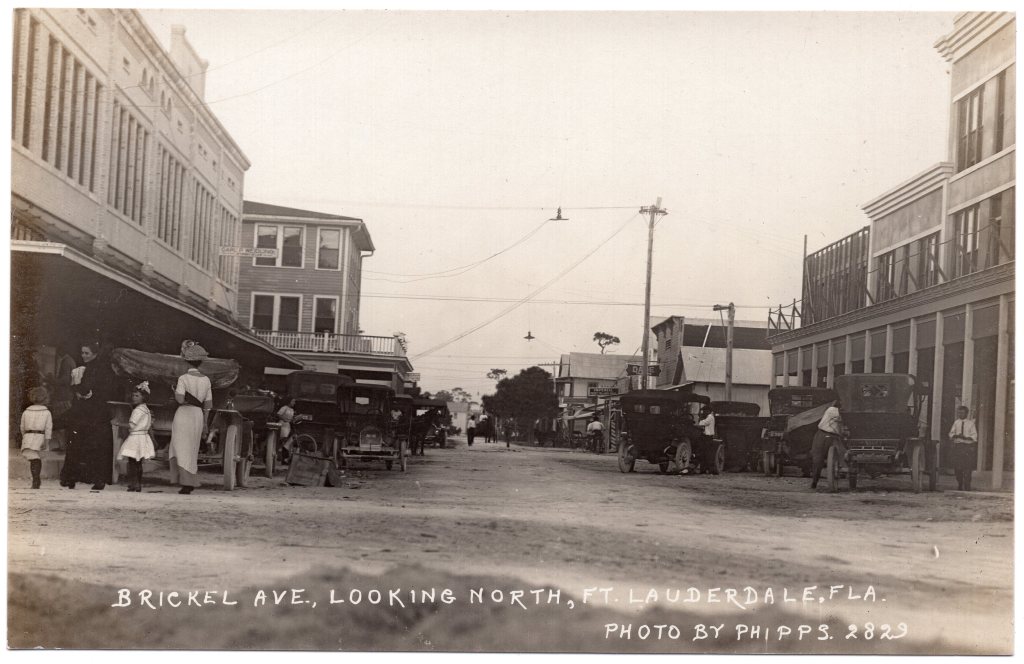
After opening his new location, he focused on photography for postcards. He now offered “… a full line of postcards, novelties and all the latest magazines and daily papers from all over the country,” and as “…the proprietor is an expert photographer, it will be the only place in the city where can be found at all times a full line of Fort Lauderdale post cards.”9 And in time Florida specialties, “Alligator and Cocoanut Souvenirs,” too. 10 Guy’s Post Card Shop was located in the Oliver building, shown on the left foreground in the postcard below.
In May 1913, the couple moved into their Waverly Place riverfront home on the north side of the New River, today’s Sailboat Bend district. Once settled, Guy placed an ad in Fort Lauderdale’s The Sentinel newspaper. Their living-in-a-tent days were over.
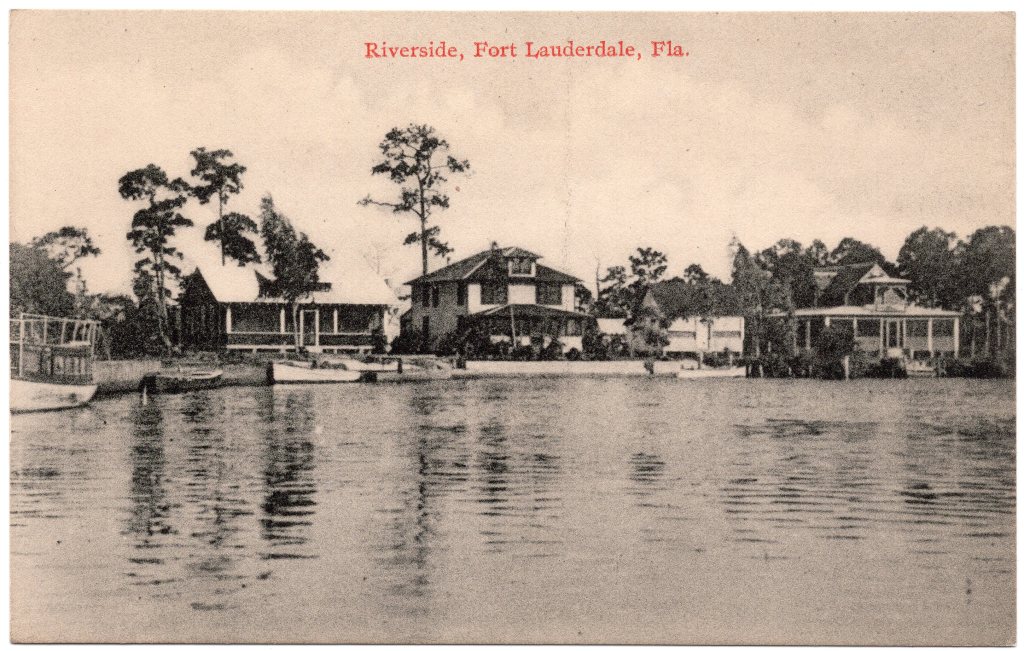
homes along New River
With dredging still slogging away, many discouraged newcomers abandoned their dreams of farming The Everglades and left town, while others instead opted to remain in Fort Lauderdale, building homes and starting businesses, as Guy Phipps had.

Guy continued as an active community member for another five years as a businessman, a Worthy Master of the Mason Lodge, and for a time in 1913 – 1914 as Fort Lauderdale’s City Clerk. He continued to operate his brick and mortar store in its original location in the lobby of the Post Office.
In early 1918, the Post Office moved across the street into the new Tom Bryan building on the corner of Wall Street, Guy assumed the lease of the vacated space, and D. C. Alexander, a prominent local Realtor, moved in. Later that year, Guy sold his business to Lucien Craig. Lucien took over on July 1, 1918. Two newspaper reports of the sale speculated on Guy’s future-plans; “Mr. Phipps hopes to go in the civil service,” alternatively he is “going into some department of war service.”11 No evidence of either plan has been found.
The couple left town not long after the sale. Why they left isn’t clear.
An early citizen of Fort Lauderdale, Bill Searles—whose family arrived in 1914—got his first after-school job at The Post Card Shop delivering newspapers and continued to work there well after the Phipps left town. He remembers Mrs. Phipps as “a gorgeous redhead.” It was reported that the couple had separated before they moved out of Fort Lauderdale.12
A period of separation may be correct. While still in town, Guy registered for the World War I draft on September 11, 1918. He reported, however, that his nearest relative, Mrs. Guy Phipps, lived in Atlanta. Perhaps she moved ahead of Guy while he wrapped up his business affairs, and the separation was just gossip. Or not. By the 1920 Census, the couple lived in a Manhattan apartment, Guy worked as a photographer in the motion picture industry, and Elizabeth was a hotel hairdresser. The marriage did eventually end, and they divorced in 1921. Both parties would remarry. Elizabeth to Joe Pence in December 1923. She passed away on February 28, 1967, in Pennsylvania at 78 years old.
Guy married widower Mamie E. Turnbull in Manhattan, New York, on January 30, 1928, becoming a stepfather to her four children. The couple lived in New Jersey for the rest of their lives. Guy remained a photographer, but little evidence remains of a career after his Fort Lauderdale days. Guy E. Phipps passed away on January 26, 1943, at the Roosevelt Hospital in Metuchen, New Jersey. He was 63 years old.
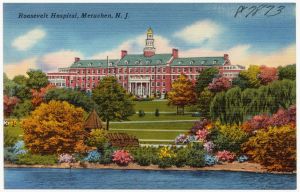
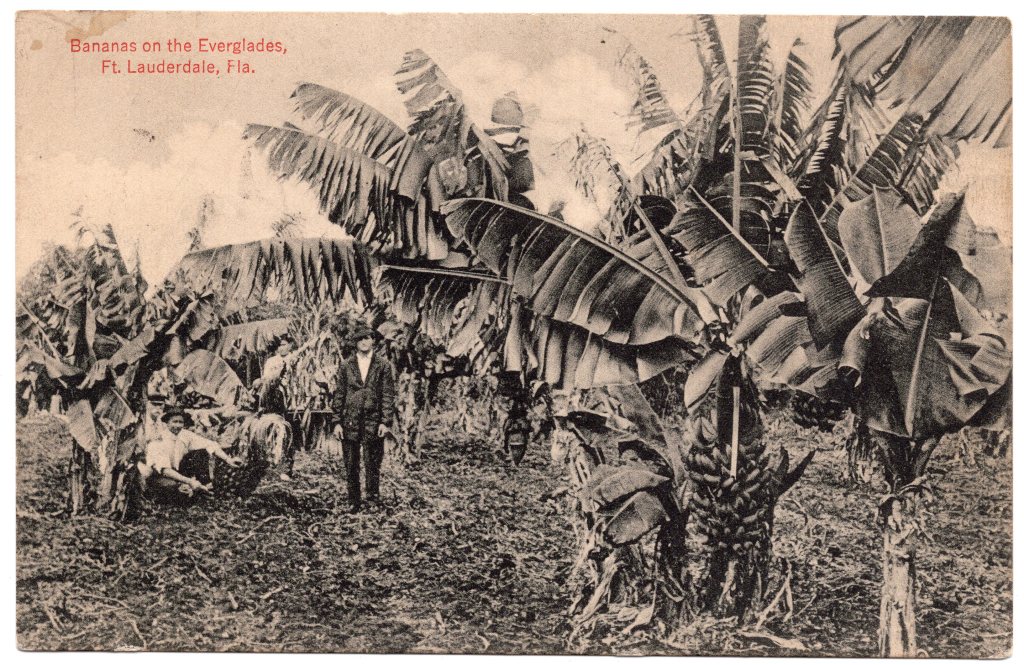
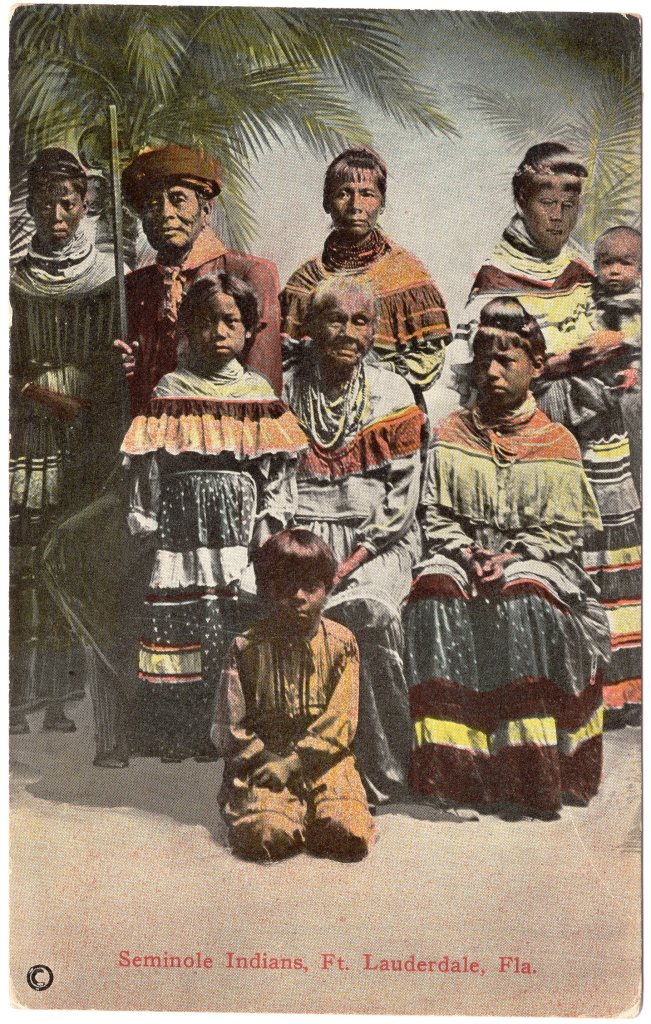
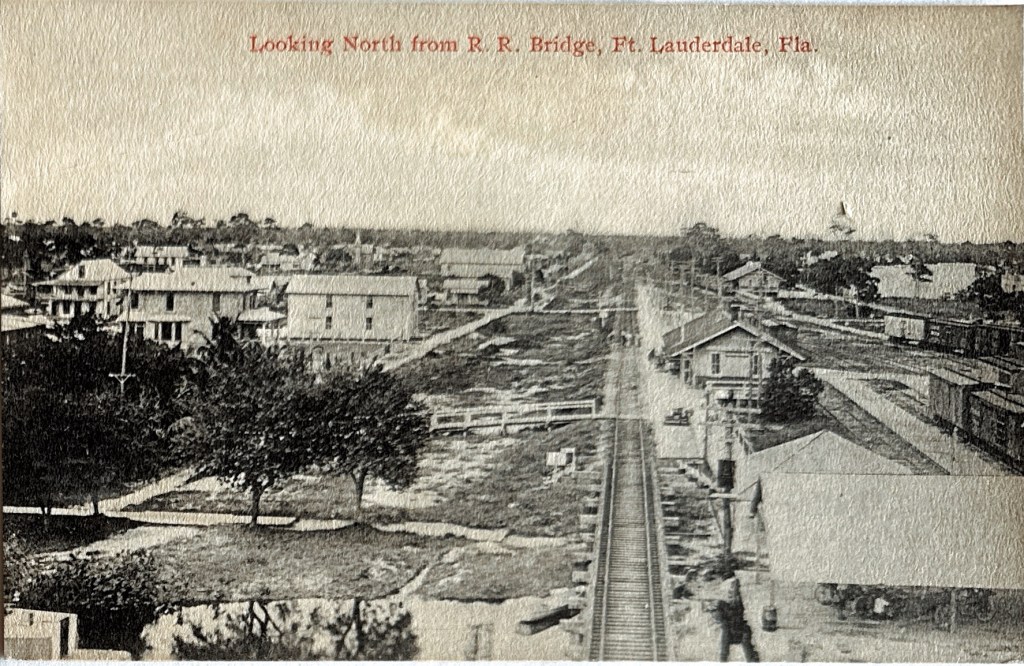
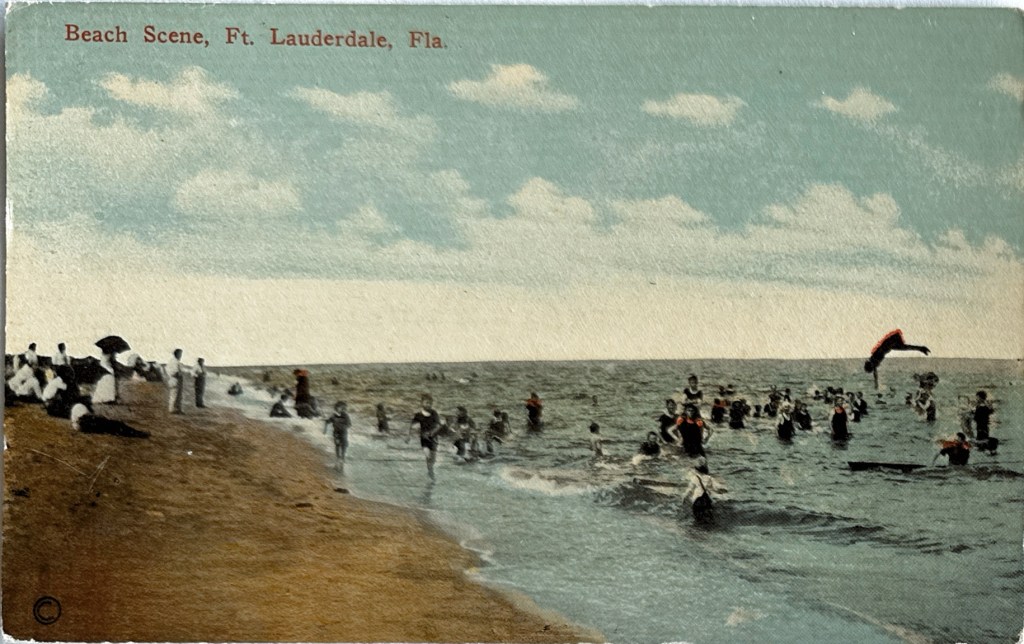
Through his postcards, Guy’s legacy remained in town long after he left. Keeping postcard inventory on the racks for years and sometimes decades was not unusual. From a man standing next to a banana plant to the arrival of the first-ever cross-Florida steamship, from Seminole Indians posing to a Governor and his gold-colored shovel, from bathers lined up in the ocean to tomato crates piled up at the train depot, from the curious and picturesque to the historic and newsworthy, Guy E. Phipps took the picture.
Who knows why Guy and Bessie came to Florida in the first place? Maybe it was a chance to strike it rich with the Bolles’ Everglades scheme, start a business, live in a tent, or escape the cold. Maybe they were seeking a Simple Life like the postcard suggested; whatever the reason, Guy E. Phipps was there to record images of this tiny town to be mailed and shared worldwide in the Golden Age of Postcards.
As for The Everglades, after decades of failed drainage attempts and efforts to alter its natural flow, work is underway to repair, restore and preserve this unique ecosystem.
***
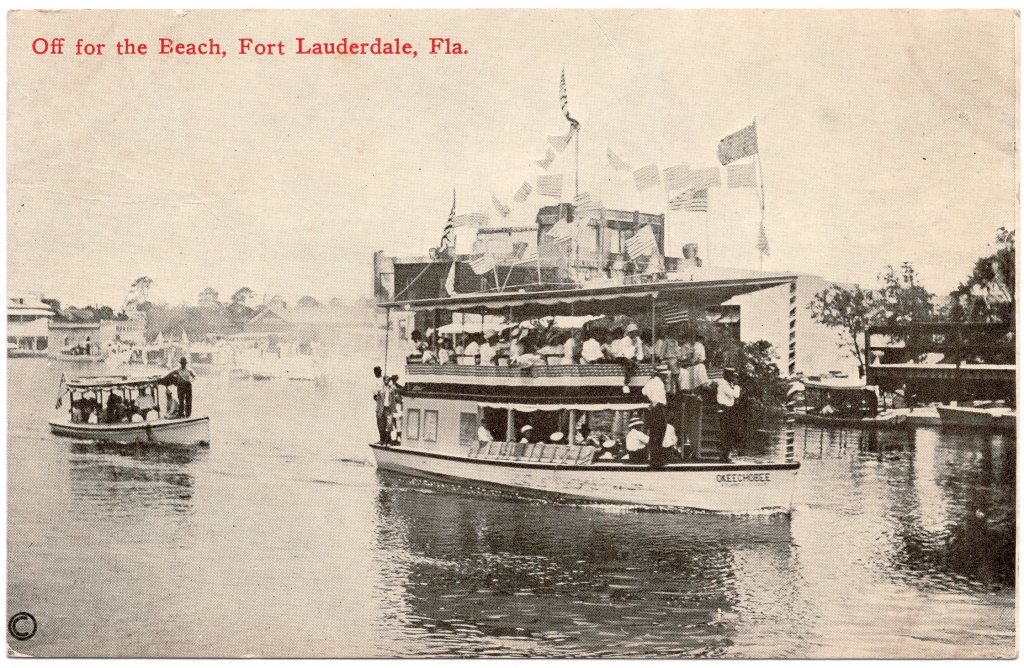
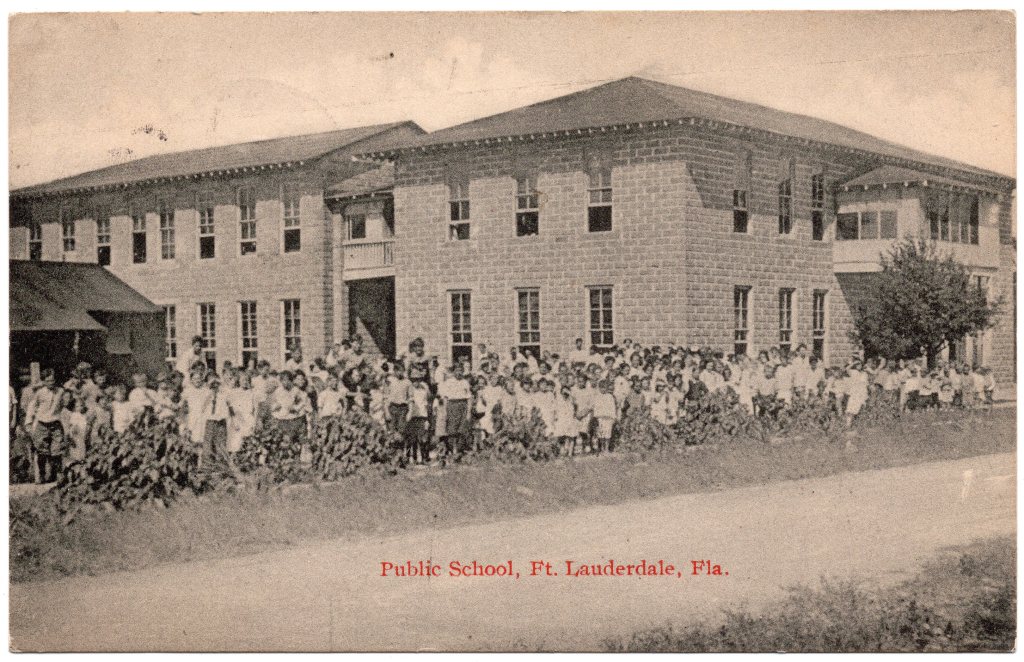
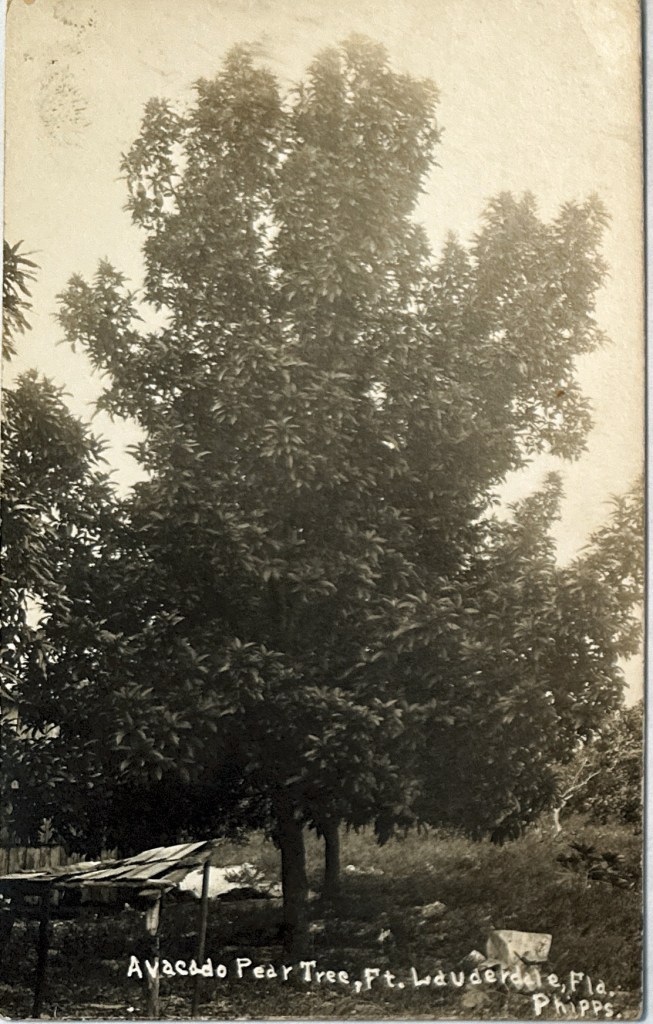
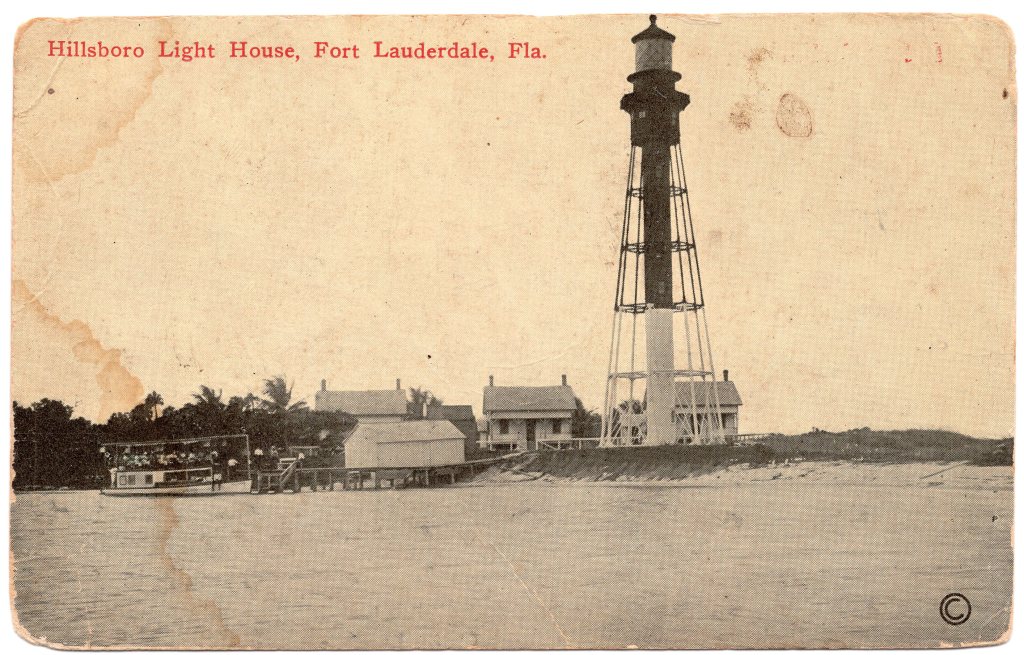
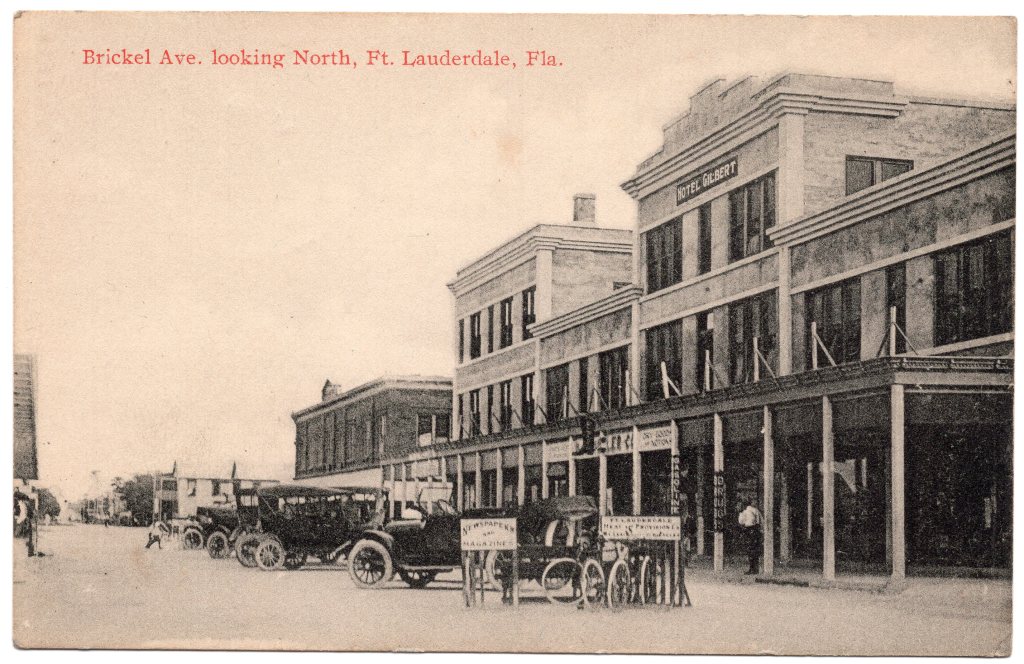
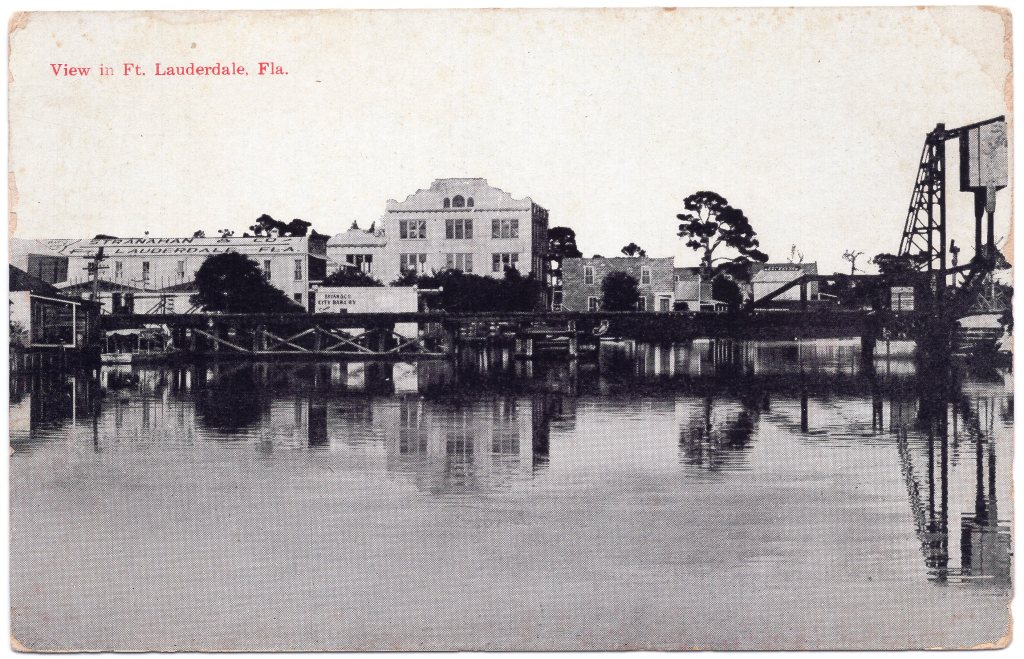
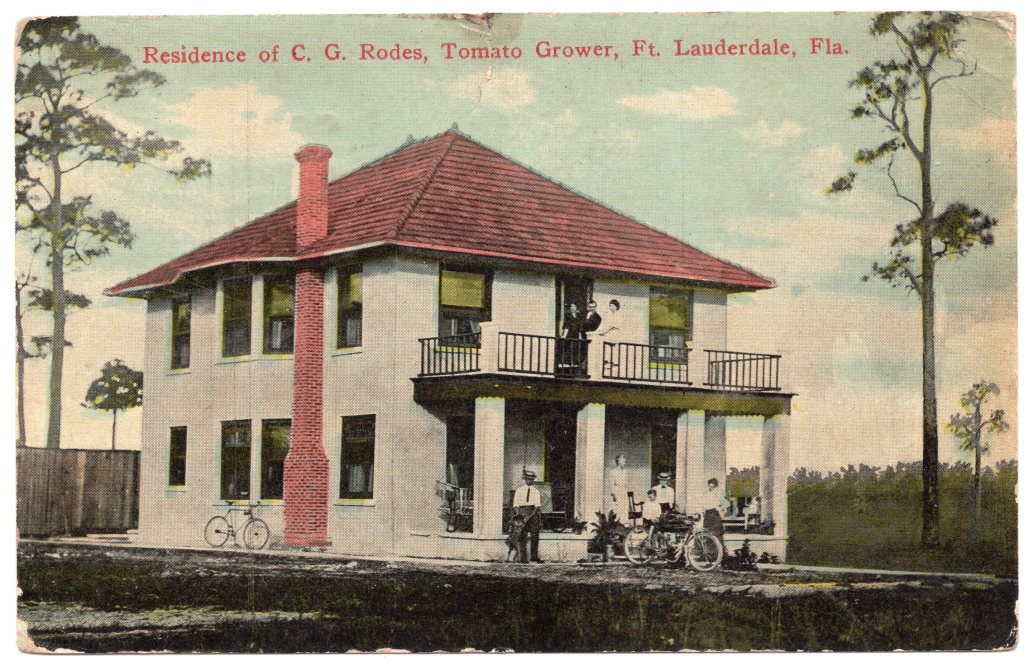
All of the Guy E. Phipps and Fort Lauderdale postcards in this article are from the author’s collection, others as noted. Below is a small sampling of additional Phipps postcards.
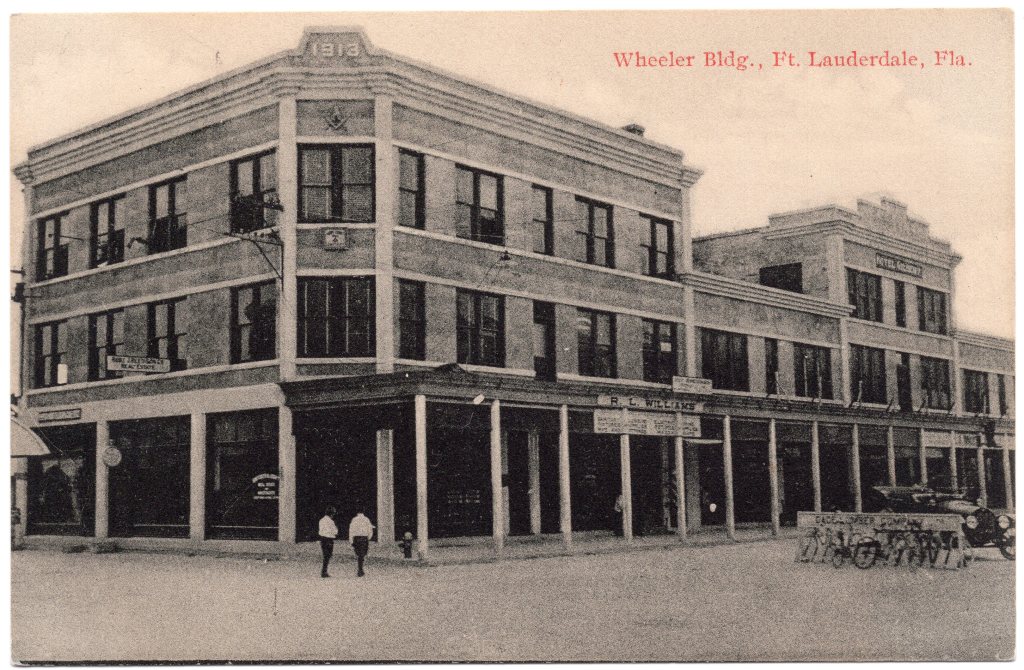
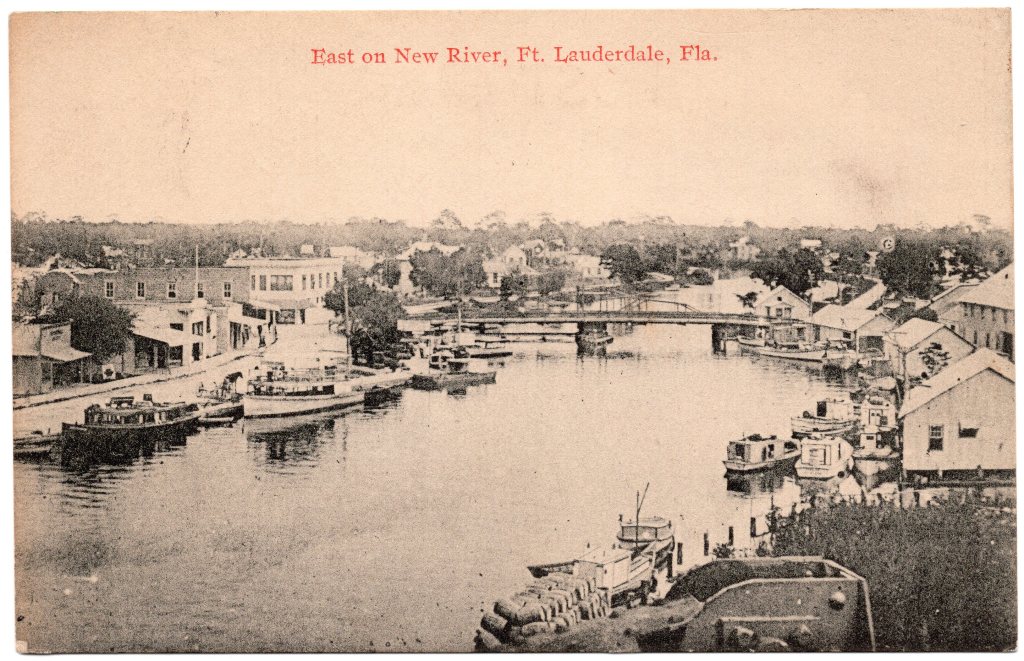
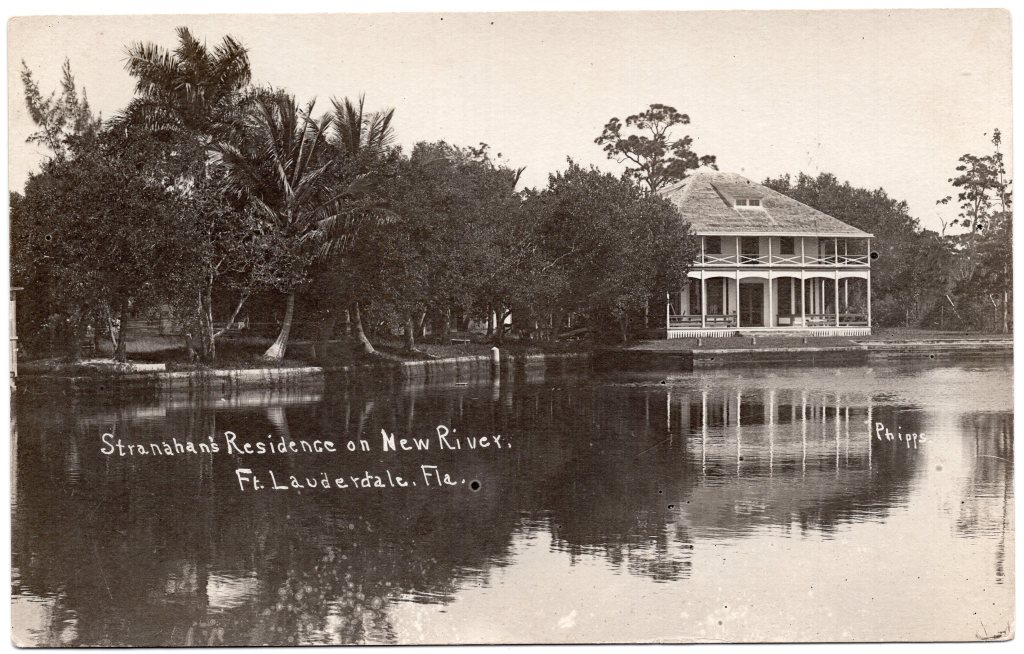
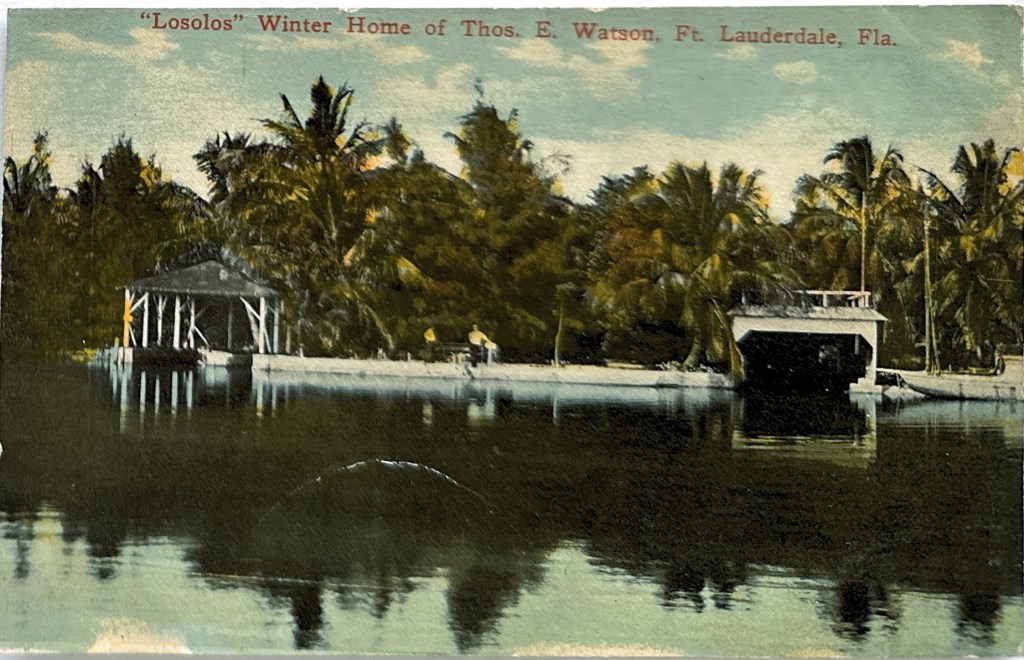
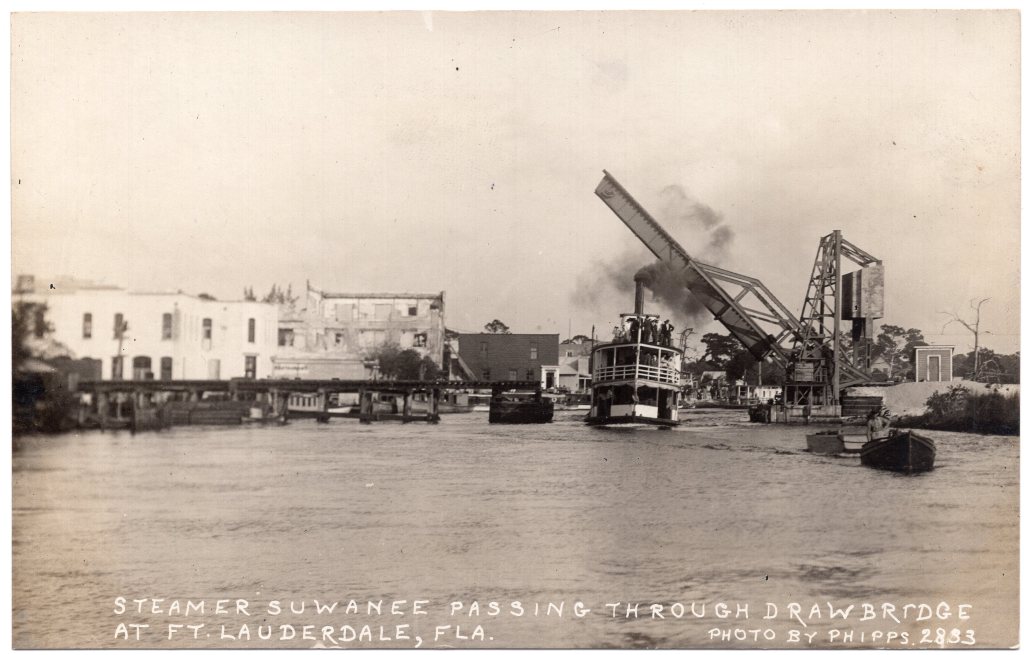
***
Not long after Guy left Fort Lauderdale, Eugene M. Kelcy arrived. Mr. Kelcy would be the preeminent photographer and postcard dealer in town for decades. But that’s a story for a future posting.
***
NOTES
- The Golden Age of Postcards in the United States is generally considered to be from 1905 to 1915.
- 1880 United States Federal Census
- American School of Art and Photography, Complete Self-Instructing Library of Practical Photography, Vol IX Commercial, Press, Scientific Photography, 1909
- Miami Morning News-Record, Wednesday, November 16, 1910
- The Miami Herald, Sunday January 23, 1921
- An excellent postcard reference book is A Guide Book Of Collectible Postcards by Bowers and Martin and also Real Photo Postcard Guide, The People’s Photography by Bogdan and Wesloh
- Much has been written about the Richard J. Bolles land lottery, here’s a small sampling: an excellent overview in A. U. Heiney, Land Lottery Broward Legacy Vol. 1 No. 4, 1977; The Miami News, Monday November 28, 1910; Miami The Daily Metropolis, Saturday, March 11, 1911; The Miami Herald, Thursday, July 12, 1962; and https://everglades.fiu.edu/DCC/everglades/reclaim/bios/bolles.htm;
- The Miami Metropolis, Wednesday, December 18, 1912
- The Miami Metropolis, Friday, November 29, 1912
- The Tropic Magazine, May 1915
- The Miami Herald, Tuesday, July 2, 1918 and The Miami News, Wednesday July 3, 1918
- The Fort Lauderdale News, Friday, September 16, 1955
- https://ark.digitalcommonwealth.org/ark:/50959/d791sr659
BIBLIOGRAPHY
- Gillis, Susan. Fort Lauderdale: The Venice of America. Arcadia Publishing, 2004
- Gillis, Susan. Fort Lauderdale in Vintage Postcards. Arcadia Publishing, 2004
- Grunwald, Michael. The Swamp: The Everglades, Florida, and the Politics of Paradise. Simon & Schuster, 2007
- Kersey, Harry. The Stranahans of Fort Lauderdale: A Pioneer Family. University Press of Florida, 2003
- Weilding, Philip and Burghard, August. Checkered Sunshine, Wake Brook House, 1974

 Fort Lauderdale Postcards
Leave a comment